
Solvent vs Solventless Concentrates: What’s the Difference?
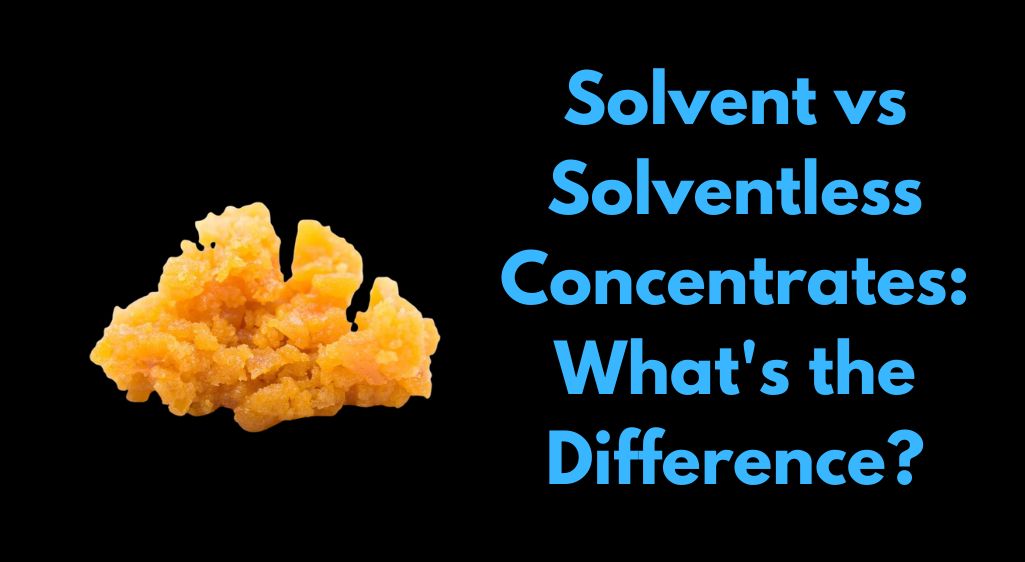
One Word Decides How Your Concentrate Was Made — and How It Tastes
Every cannabis concentrate falls into one of two camps: solvent-based or solventless. The difference comes down to a single question — was a chemical solvent used to strip the good stuff out of the plant, or was it pulled out using only heat, pressure, or ice water? That one distinction shapes the price you pay, the flavor you get, the purity of the final product, and even which device vapes it best.
The terms get thrown around like marketing badges — “solventless” especially has become a premium selling point — but most people buying concentrates don’t actually know what separates the two or why one often costs three times more than the other. This guide explains exactly what each category is, how it’s made, where each one wins, and how to match your device to the concentrate you’re actually buying.
→ Solvent-based concentrates (shatter, wax, crumble, live resin, distillate) are made using a chemical solvent — butane, CO2, or ethanol — that’s purged afterward. Cheaper, more variety, higher potency on average.
→ Solventless concentrates (rosin, live rosin, hash, bubble hash) are made with only heat, pressure, or ice water — no chemicals. Purer, more flavorful, more expensive.
→ Neither is “better” universally. Solventless is purer and more flavor-forward; solvent-based offers more variety, higher potency, and better value. The right choice depends on your budget and what you prioritize.
→ Device tip: Both vape well in a quality dab pen or e-rig. For flavor-forward solventless concentrates, low temperatures and a quartz heating surface preserve the terpenes best — see our Dab Temperature Guide.
What “Solvent” Actually Means Here
A solvent is a substance that dissolves another substance. In concentrate production, a solvent is passed through cannabis plant material to dissolve and strip away the cannabinoids (THC, CBD) and terpenes (the aromatic compounds that carry flavor and aroma), separating them from the plant matter you don’t want — the fats, waxes, and fibers.
The most common solvents are butane (used to make BHO — butane hash oil), CO2 (carbon dioxide, used in supercritical extraction), and ethanol (alcohol-based extraction). After the cannabinoids and terpenes are dissolved out, the solvent has to be removed — “purged” — usually with heat and vacuum, leaving behind the concentrated extract.
The key thing to understand: when a solvent-based concentrate is made properly, the solvent is fully purged and the final product is safe. The concern people raise about “chemicals” applies to poorly made concentrates where residual solvent wasn’t fully removed — that’s what produces a harsh chemical taste and is why lab testing matters. A properly purged BHO product from a licensed producer is clean and safe to vape.
What “Solventless” Means
Solventless concentrates skip chemical solvents entirely. Instead, they use mechanical or physical methods — heat, pressure, agitation, and cold water — to separate the trichomes (the resin glands that hold cannabinoids and terpenes) from the plant.
The two main solventless methods are heat-and-pressure (which makes rosin — cannabis flower or hash pressed between heated plates until the resin squeezes out) and ice-water extraction (which makes bubble hash — frozen cannabis agitated in ice water so the trichomes break off and are collected through fine mesh screens).
Because no chemical ever touches the product, there’s nothing to purge and nothing to leave behind. What you get is a concentrate made of nothing but the plant’s own resin. This is the source of the “purer” reputation — and it’s largely accurate. The trade-off is that solventless methods extract less product per pound of starting material and require higher-quality input, which is why solventless concentrates cost more.
The Side-by-Side Breakdown
| Factor | Solvent-Based | Solventless |
|---|---|---|
| How It’s Made | Chemical solvent (butane, CO2, ethanol) strips cannabinoids, then purged | Heat + pressure, or ice water — no chemicals |
| Common Products | Shatter, wax, budder, crumble, live resin, distillate, sauce | Rosin, live rosin, bubble hash, dry sift |
| Purity | Clean when properly purged; lab testing matters | No residual solvents possible — inherently clean |
| Flavor | Very good; live resin excellent (fresh-frozen) | Best in class — fullest terpene preservation |
| Potency | Higher on average (distillate can exceed 90%) | High but typically lower than distillate |
| Price | More affordable; better value per gram | Premium — often 2–3x the price |
| Variety | Huge range of textures and types | More limited |
| Best Vape Temp | Low–medium (live resin low; distillate flexible) | Low — terpenes are heat-sensitive |
The Solvent-Based Lineup
Shatter — Glassy, brittle, translucent. One of the most stable and potent solvent-based forms. Snaps like glass when cold.
Wax / Budder / Crumble — Same base extract whipped or agitated to different textures. Budder is creamy, crumble is dry and flaky, wax is somewhere between. Easy to handle and load into a dab pen.
Live Resin — Made from fresh-frozen cannabis (frozen immediately after harvest rather than dried), which preserves far more terpenes than standard extraction. It’s solvent-based (usually butane) but flavor-forward enough to rival solventless. The best of the solvent-based world for flavor.
Distillate — The most refined and potent (often 90%+ THC), but stripped of most terpenes during processing. Flavorless unless terpenes are reintroduced. Common in cartridges. Best vaped in a 510 cart battery rather than a dab pen.
The Solventless Lineup
Rosin — Made by pressing cannabis flower or hash between heated plates. The flagship solventless concentrate. Full terpene profile, clean, no purging needed.
Live Rosin — Rosin made from fresh-frozen material (typically pressed from bubble hash made from fresh-frozen flower). The pinnacle of flavor and the most expensive concentrate most people will encounter. The solventless equivalent of live resin.
Bubble Hash — Made via ice-water extraction. Trichomes are frozen, agitated off the plant in cold water, and collected through mesh bags of decreasing micron size. Quality is graded by how clean the collected resin is.
Dry Sift — Trichomes mechanically sifted from dried flower through fine screens. The simplest solventless method.
Which One Should You Buy?
Buy solventless if flavor and purity are your top priorities and budget is flexible. Live rosin in particular delivers a terpene experience nothing solvent-based quite matches. If you’ve been dabbing a while and want to taste the actual strain rather than just feel the potency, solventless is the upgrade.
Buy solvent-based if you want the best value, the widest variety, or maximum potency. A quality live resin gives you most of the flavor benefit of solventless at a lower price, and distillate gives you the highest THC numbers if potency is the goal. For most everyday users, solvent-based concentrates from a lab-tested source are clean, effective, and easier on the wallet.
The honest middle ground: live resin (solvent-based, fresh-frozen) is where most flavor-focused buyers land. It’s dramatically more affordable than live rosin while preserving most of the terpene experience. It’s the smartest value pick for someone who cares about flavor but isn’t ready to pay live-rosin prices.
Matching Your Device to Your Concentrate
The extraction method affects which device gets the best out of your concentrate:
For solventless and live resin (flavor-forward): Use a device with a quartz heating surface at low temperatures. An electric nectar collector is especially good here — the direct quartz-tip contact and low-temp control preserve terpenes beautifully. A quality dab pen with a quartz coil works just as well. See our best dab pens for rosin guide for specific picks.
For shatter and hard concentrates: A dab pen with a strong coil or an electric nectar collector both handle these well. Hard concentrates can be tricky to load into a chamber — our best dab pens for shatter guide covers the devices that handle them best.
For budder, crumble, and soft waxes: A standard dab pen chamber is ideal — soft concentrates load cleanly and vaporize evenly. Check our best dab pens for budder roundup.
For distillate and thin oils: Use a 510 cart battery with a refillable cartridge — distillate is designed for cart-style devices, not dab pens.
Browse the full lineup: See every concentrate device in our wax pen collection or compare formats in our dab pen vs e-rig guide.
Frequently Asked Questions
Is solventless better than solvent-based?
Not universally. Solventless concentrates are purer and more flavorful because no chemicals are used, but solvent-based concentrates offer more variety, higher potency, and better value. The right choice depends on whether you prioritize flavor and purity (solventless) or potency, variety, and price (solvent-based). A properly purged solvent-based concentrate from a lab-tested source is clean and safe.
Are solvent-based concentrates safe?
Yes, when properly made. The solvent is fully purged from the final product during manufacturing. The safety concern only applies to poorly made concentrates with residual solvents, which is why buying lab-tested products from licensed producers matters. Quality solvent-based concentrates contain no meaningful residual solvent.
Why is rosin so expensive?
Solventless extraction yields less product per pound of starting material and requires higher-quality input material to produce a good result. Live rosin in particular requires fresh-frozen flower, ice-water hash washing, and careful pressing — a labor-intensive multi-step process. The premium reflects both lower yields and higher production costs.
Is live resin solventless?
No. Live resin is solvent-based — it’s typically made using butane. The “live” refers to the use of fresh-frozen cannabis, which preserves more terpenes. The solventless equivalent is live rosin, which uses heat and pressure instead of solvents. Both are flavor-forward, but live rosin is solventless and more expensive.
What’s the difference between live resin and live rosin?
Both start with fresh-frozen cannabis for maximum terpene preservation. Live resin is solvent-based (made with butane), while live rosin is solventless (made with heat and pressure). Live rosin is purer and more expensive; live resin offers most of the flavor at a lower price.
Which concentrate is best for flavor?
Live rosin (solventless) offers the fullest, most authentic terpene flavor of any concentrate. Live resin (solvent-based) is a close second at a more affordable price. Both should be vaped at low temperatures to preserve their delicate terpenes.
🎯 Shop Concentrate Vaporizers
Find the Right Device for Your Concentrate
Free shipping on all orders over $40. Same-day dispatch on orders before 3pm EST.
Shop All Wax Pens →
Shop Electric Nectar Collectors →
Shop Electric Dab Rigs →
📚 CONTINUE LEARNING:
→ Types of Wax Concentrates — Shatter, Rosin, Budder & More
→ Shatter vs Wax vs Rosin — Which Concentrate Is Right for You?
→ Dab Temperature Guide — Best Temps for Every Concentrate
→ Best Dab Pens for Rosin — Low-Temp Devices Ranked
→ Best Dab Pens for Live Resin — Terpene-Forward Devices
These products are for adults 21+ only. Follow all local and state laws regarding cannabis and vaping products. Use responsibly.
Last Updated: May 2026

Written by Marc Pitts
Marc is the CEO of Discount Vape Pen and has spent over 11 years in the vape industry. He began his career owning and operating brick-and-mortar vape shops, giving him hands-on experience with both products and customer needs. A Kean University graduate from Westfield, NJ, Marc combines retail expertise with a deep understanding of the evolving vaping landscape.
Outside of work, Marc loves cooking Italian food, swimming, playing tennis, and attending Broadway shows — a true theater kid at heart. Meet all our Discount Vape Pen Authors here.